A deep clean is not simply a regular visit with a more ambitious name. It allows additional time for agreed detail areas and accumulated soil. These seven signs can help you decide when that reset would make a meaningful difference.
The seven signs
1. Dust returns immediately after the obvious surfaces are wiped
Dust on fan blades, vents, blinds, trim, ledges, and baseboards can redistribute into a room. In Odessa’s dry, windy climate, fine outdoor dust can make those overlooked surfaces more noticeable. A broader top-to-bottom pass may help restore the baseline.
2. Kitchen surfaces feel coated instead of simply dusty
Cooking residue can combine with dust on cabinet fronts, backsplash areas, hood exteriors, and nearby trim. This buildup often needs more dwell time and surface-appropriate methods than a quick maintenance wipe.
3. Bathroom edges stay dull after routine cleaning
Look at fixture bases, grout lines, shower tracks, tub edges, the toilet base, trim, and areas behind doors. Soap residue and mineral deposits can collect slowly. Some permanent etching or failed caulk will not be corrected by cleaning, but ordinary removable buildup can be addressed more deliberately.
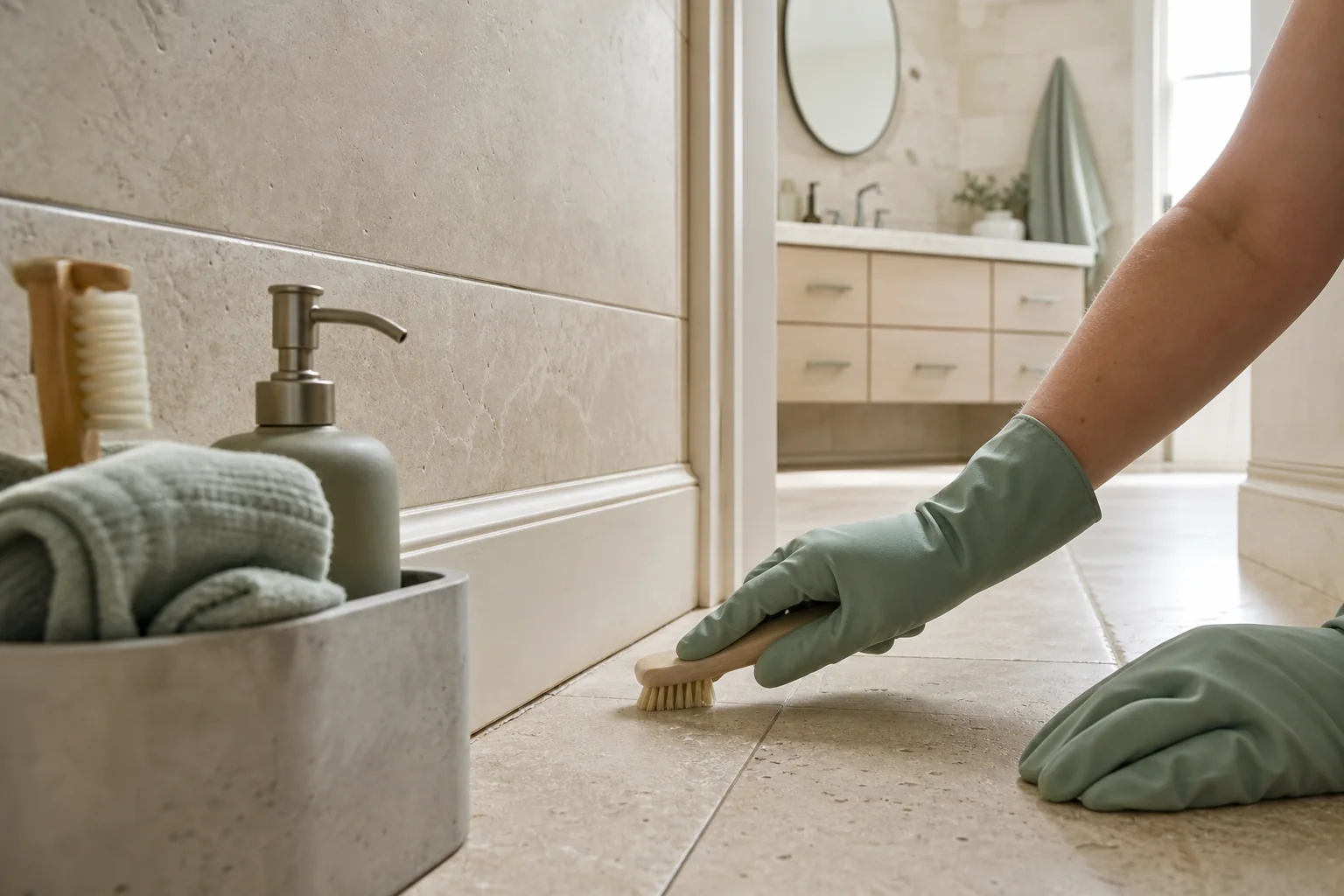
4. Floor edges and baseboards create a visible outline
Routine floor care naturally focuses on open walking areas. Pet hair and soil can accumulate along baseboards, under cabinet toe kicks, in corners, and around furniture legs. Detail vacuuming and edge work can make the whole floor look more complete.
5. Doors, switches, and handles show months of contact
Fingerprints and ordinary grime collect gradually on door panels, frames, switch plates, handrails, and cabinet pulls. These details are easy to stop noticing until they are cleaned together.
6. You are preparing for a new routine or an event
A seasonal reset, guests, a new baby, returning to work, or beginning recurring cleaning can all be useful moments to establish a clearer baseline. The goal is not perfection; it is making maintenance more manageable afterward.
7. Your regular cleaning list never reaches the detail list
If every available hour goes to dishes, laundry, counters, toilets, and open floors, detail work will keep rolling forward. A professional deep clean can concentrate effort on agreed areas while you keep daily life moving.
Deep cleaning versus routine cleaning
Routine service typically focuses on kitchens, bathrooms, reachable dusting, trash, vacuuming, sweeping, and mopping. Deep cleaning may add more detailed attention to baseboards, fixtures, fans, doors, trim, cabinet fronts, and other agreed buildup areas.
The exact scope matters more than the label. Ask what is included, what is excluded, how long the work is expected to take, and which extras—such as oven, refrigerator, cabinet interiors, blinds, interior windows, or wall washing—must be requested separately.
A deep clean is generally for a lived-in home with belongings in place. An empty property being prepared for inspection, listing, or handoff needs a move-in or move-out scope.
Know what cleaning cannot fix
Cleaning cannot reverse worn finishes, deep scratches, permanent stains, damaged grout, failed sealant, corrosion, or mineral etching. Mold, pests, bodily fluids, unknown substances, and hazardous materials require appropriate specialists. High or unsafe-to-reach areas also need a separate access plan.
A responsible cleaner chooses methods based on the material and stops before aggressive scrubbing or chemicals create damage. Share delicate finishes and known problem areas during the quote.
Prepare for a productive deep clean
- Put away clothing, dishes, papers, toiletries, toys, and loose personal items.
- Secure valuables, medications, fragile pieces, documents, and weapons.
- Identify your top three priorities instead of assuming every detail carries equal weight.
- Share pets, parking, access, surface concerns, and timing before the visit.
- Request appliance interiors, cabinets, blinds, windows, or heavy pet hair during quoting.
Once the baseline is restored, choose a maintenance rhythm that keeps the home from returning to the same level of buildup. The right follow-up may be weekly, biweekly, every four weeks, or a lighter personal routine between professional visits.